The Routes
Day 1: Foothills Shakeout Ride
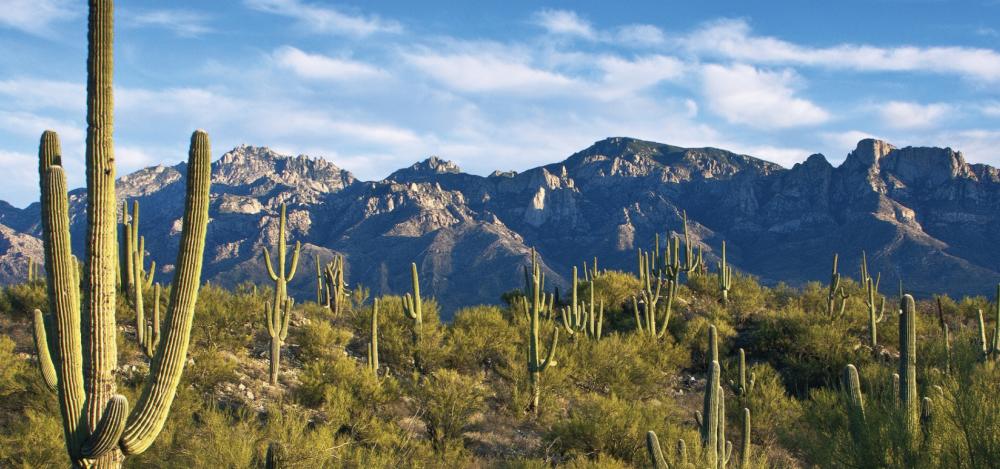
The Santa Catalina Foothills
Distance: 12.2 Miles
Difficulty: Easy
Details: Many of Tucson’s gravel roads are found on the outskirts of town, but this route eases into things with a ride through the Foothills. You’ll climb your way to the top of the Foothills before descending down to The Loop via the Urban Assault Trail. The Urban Assault Trail follows a wash and is mostly mellow singletrack ideal for gravel bikes! Once back to The Loop, you can of course add additional miles should you want to stretch the day out longer.
Day 2: Ironwood Forest National Monument / Silverbell Mine
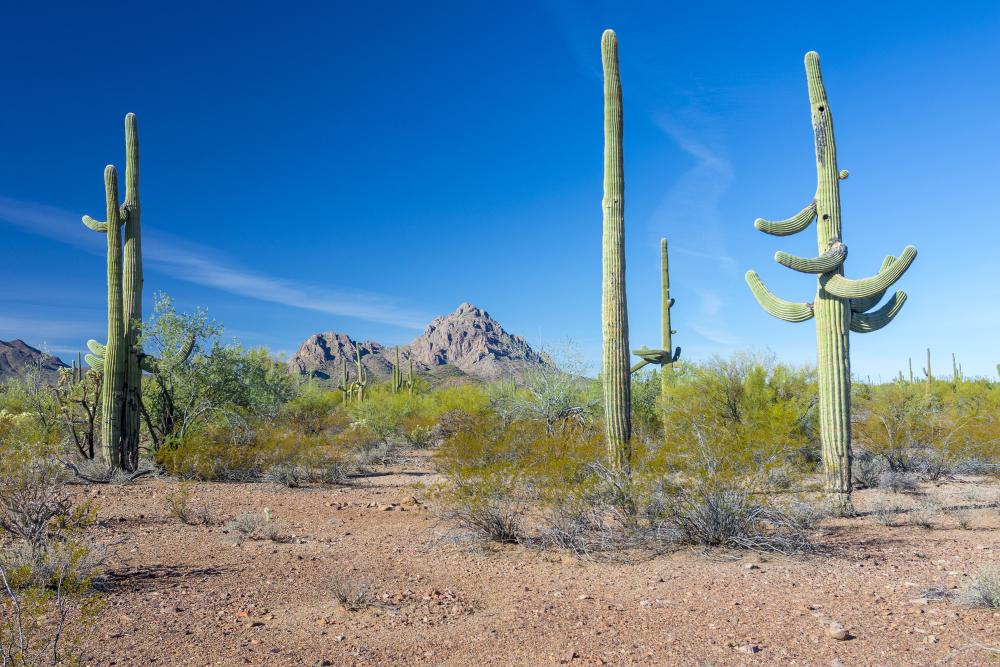
Ironwood Forest National Monument
Distance: 42 miles
Difficulty: Medium
Details: Ironwood Forest National Monument is one of my favorite places to ride in Tucson! The route will begin on mellow gravel, snaking its way through a beautiful Saguaro & Ironwood filled forest. Eventually the road begins to get rougher as you pass the backside of the mine. It’s here you’ll begin to realize why I suggest 50mm tires! Once back on pavement, it’s a nice downhill spin back to the start.
Day 4: The Spirit World 30 or 50, Patagonia
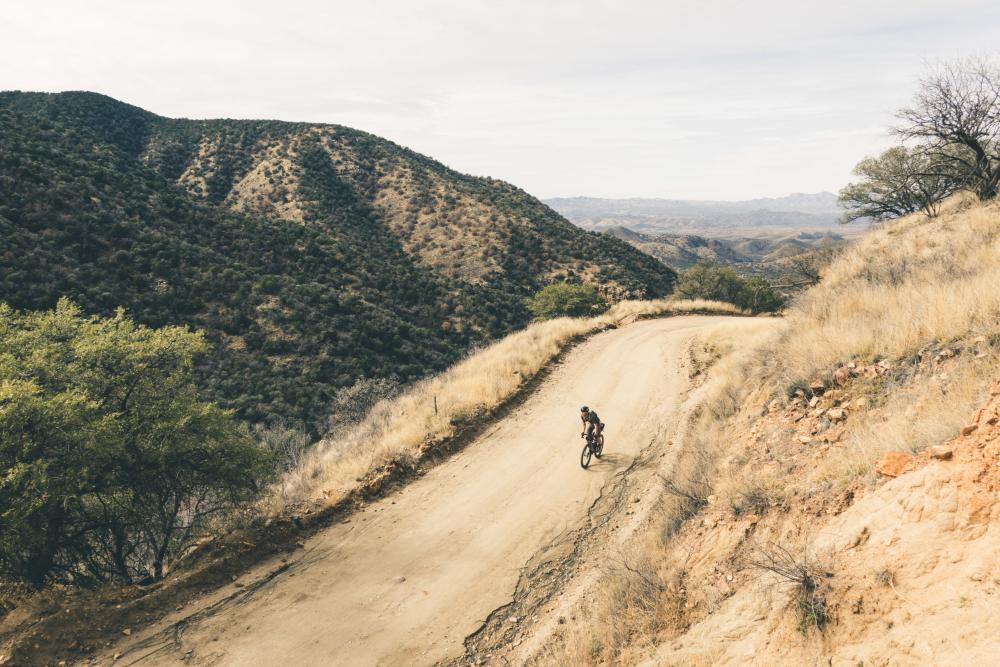
Miles of gravel near Patagnoia
Distance: 30 or 50 miles
Difficulty: Easy terrain-wise, but the 50 is a solid day out and will leave you craving a beer at the Patagonia Lumber Co.
The gravel around Patagonia has a crew behind it. The team behind the Spirit World 100 has spent years riding, mapping and refining the road network south of town, and the Spirit World 30 and 50 are absolute classics for good reason. Grab the official route files from the Spirit World 100 routes page so you’re always riding the current versions.
Both routes give you a true taste of the San Rafael Valley: wide open grasslands, big sky horizons and that feeling of riding through somewhere that still feels wild and untamed. The Spirit World 30 delivers a punchy, approachable loop, while the Spirit World 50 stretches things out and takes you a stone’s throw from the US/Mexico border.
Expect expansive views, fast rolling dirt and long, quiet stretches. It’s a different flavor than Tucson proper, less cactus forest and more open range, but just as memorable. When you roll back into town, the Lumber Co. doubles as home base for the Spirit World crew, so it’s a good spot to swap notes with local riders.
If you’re feeling really adventurous, give the Wrightson Loop FKT a crack.
Day 5: Reddington Road
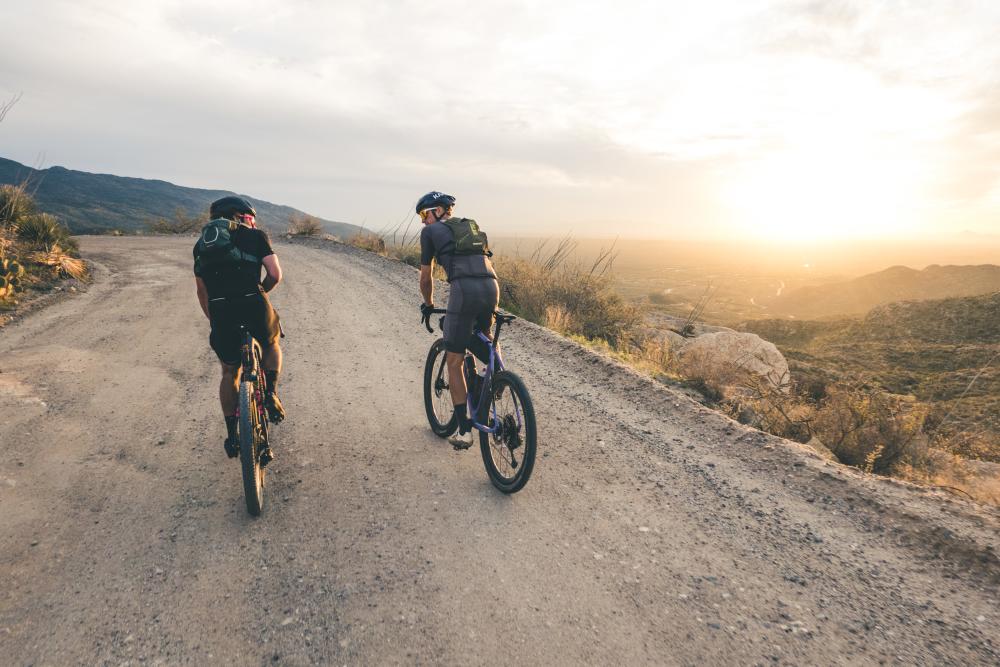
Climbing Reddington Road
Distance: 60 miles
Difficulty: Medium to Difficult (due to distance)
Details: Reddington is quintessential Tucson gravel. It’s where locals rode long before “gravel” was a category and it remains one of the best launching pads for big desert days. From here, you can loop Mount Lemmon, climb the Control Road or keep it simple and ride it as an out-and-back.
This version heads east on Reddington before looping through A7 Ranch. The road itself is 2WD accessible but can get rough in sections and it tends to see more traffic on weekends.. aim for a weekday if you can. Along the way, you’ll be treated to expansive views of Mount Lemmon, the Rincon Mountains and eventually the Galiuro Mountains.
At the lollipop, the character shifts to smoother double track. A ripping descent drops you into the San Pedro River Valley and through A7 Ranch before you climb back up to Reddington Road and retrace your way home.
Happy riding!
Notes on Equipment & Preparation
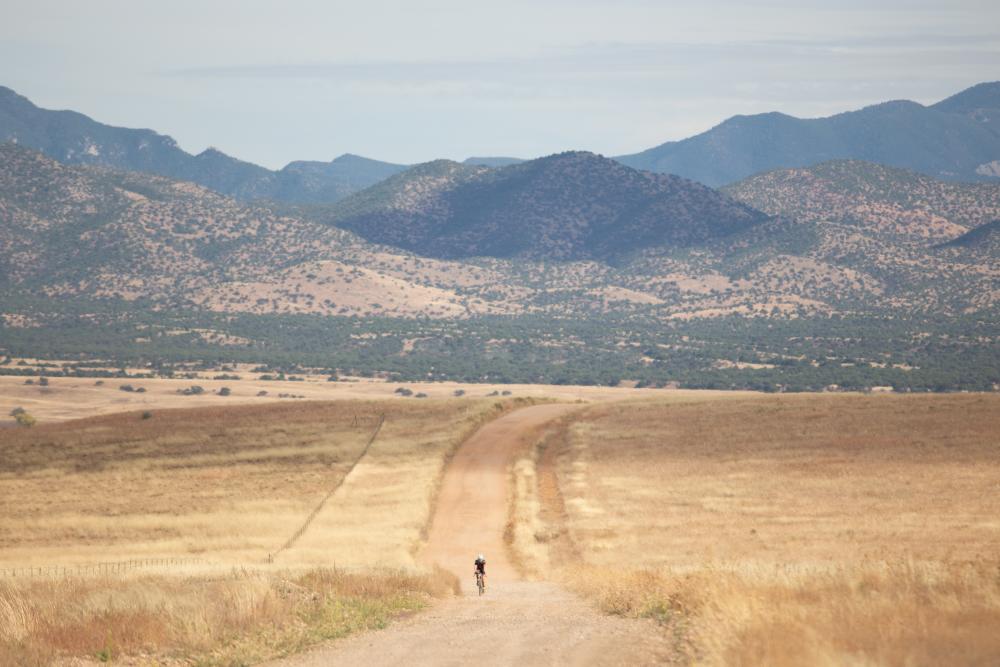
Riding in the expansive San Rafael Valley
The two key things to riding in Southern Arizona are high volume tires and the ability to be self sufficient.
On the tire side of things, I’d suggest going with a 45-50mm tire. You can go smaller but you’re here to have fun! You won’t regret a little extra cushion.
Many of the region's gravel roads stretch deep into remote desert terrain, where the nearest gas station or resupply stop can be hours away. Cell service can be spotty. Shade is minimal. If something goes wrong, you’re on your own.
Carry more water than you think you’ll need. Bring the tools and supplies to handle common mechanicals such as tire plugs, a tube, pump or CO2, chain link and enough nutrition to cover a longer than planned day.